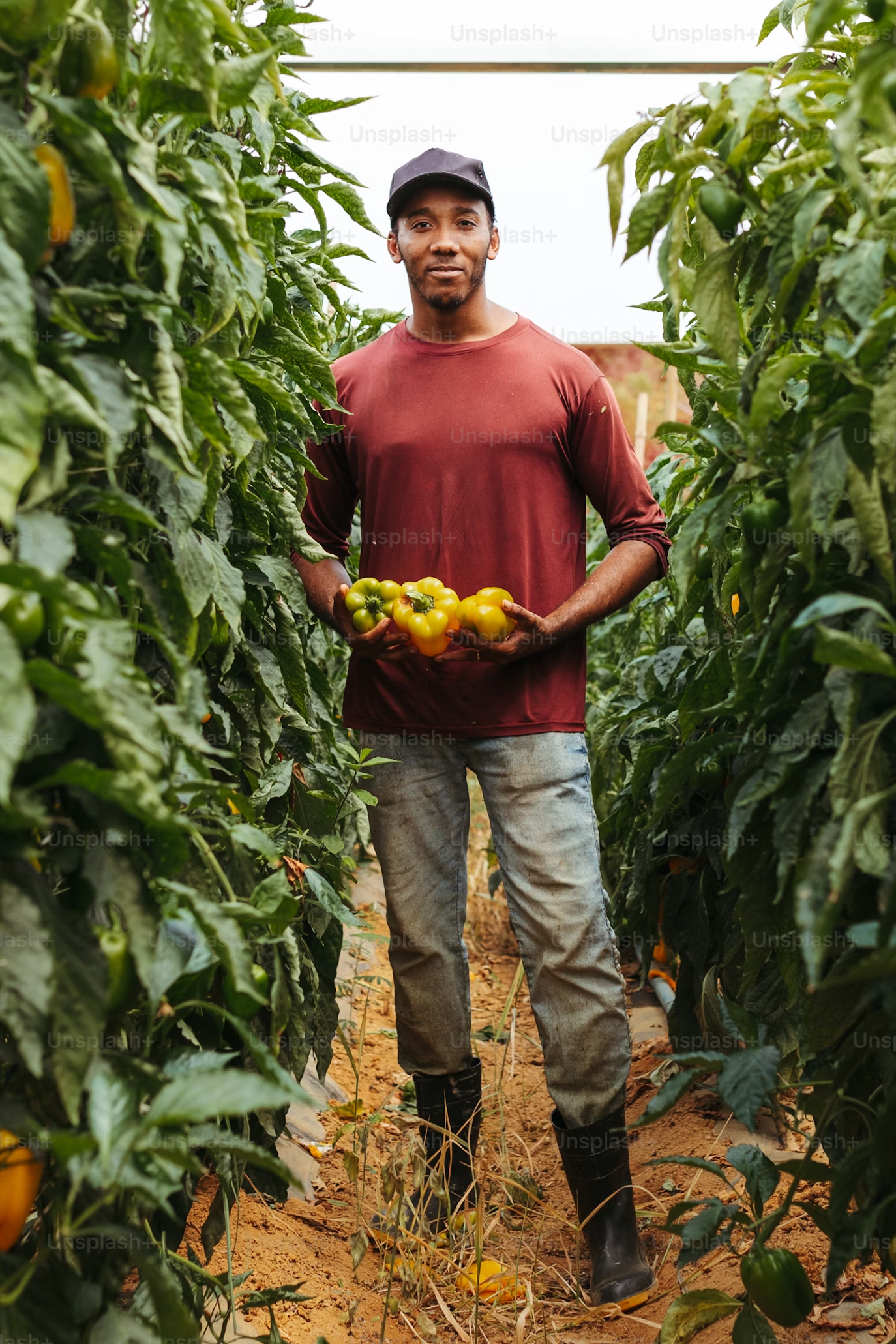
Continuous Improvement
To continuously improve food safety practices and procedures throughout the food supply chain.
The All Farmers and Safe Food Initiative is a grassroots-driven campaign aimed at empowering farmers with the knowledge and tools to produce safe, high-quality food from farm to table. By promoting best practices in hygiene, handling, and sustainable agriculture, the initiative ensures that consumers receive nutritious, uncontaminated food while supporting farmers’ livelihoods and public health.
o safeguard public health by ensuring that food is produced, processed, stored, and distributed in a safe and sanitary manner.
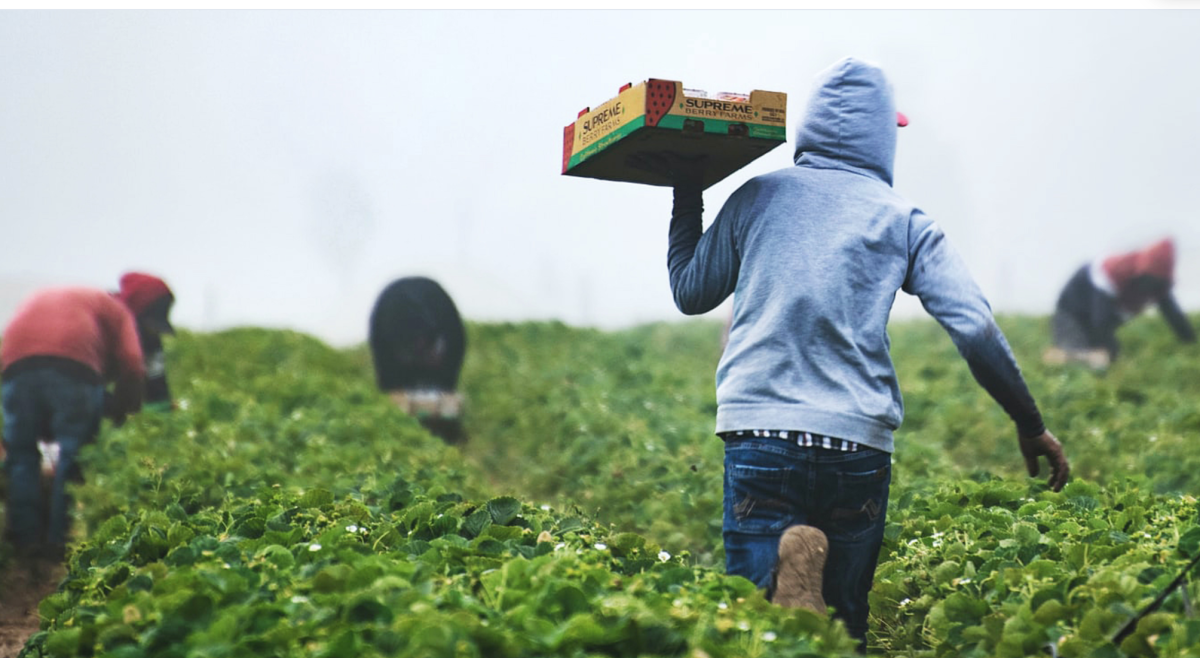
Thousands of young farmers are being equipped with modern food hygiene training as part of a nationwide safety program.
Several rural initiatives are actively bridging the gap between food production and quality control by integrating modern safety standards into local supply chains. These programs focus on training farmers and food handlers in proper hygiene, storage, and transportation practices, while also introducing low-cost technologies for monitoring and traceability. By embedding these quality control systems at every stage—from harvest to distribution—they help reduce contamination risks, improve food shelf life, and ensure that rural communities contribute to a safer, more reliable food supply for all consumers.
Several rural initiatives are currently underway to strengthen the link between food supply chains and quality control systems, ensuring the health and safety of consumers. These efforts focus on empowering rural farmers and producers with training in food safety protocols, proper handling, and sanitary practices. By introducing monitoring tools and establishing checkpoints throughout the supply chain—from cultivation and harvesting to storage and distribution—these initiatives aim to minimize contamination risks and uphold food quality standards. Ultimately, they play a crucial role in safeguarding public health while boosting confidence in locally produced food.
2025 AFSFI All Rights Reserved. Design by Paceployt Ltd